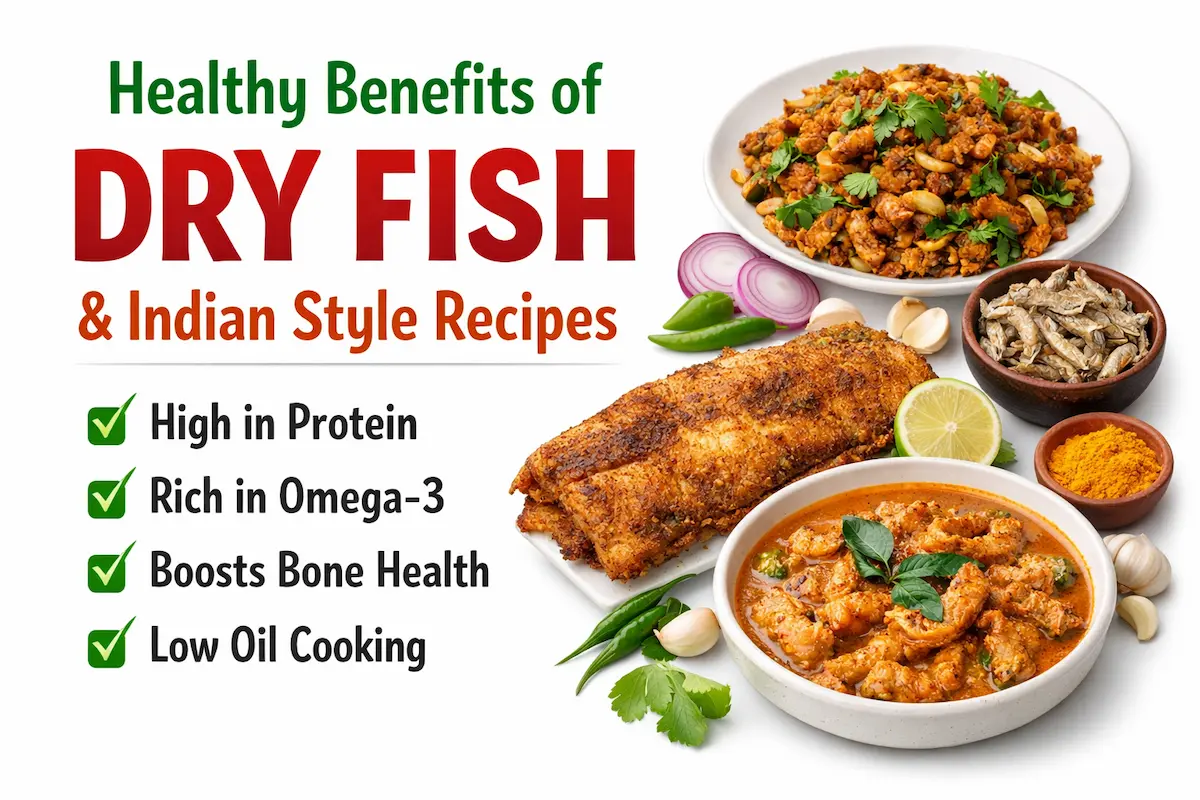
Healthy Benefits of Dry Fish & Best Indian Style to Cook It
In many Indian homes especially across Maharashtra, Konkan, Mumbai, and coastal regions dry fish is not just food. It is emotion. It is tradition. It is comfort.
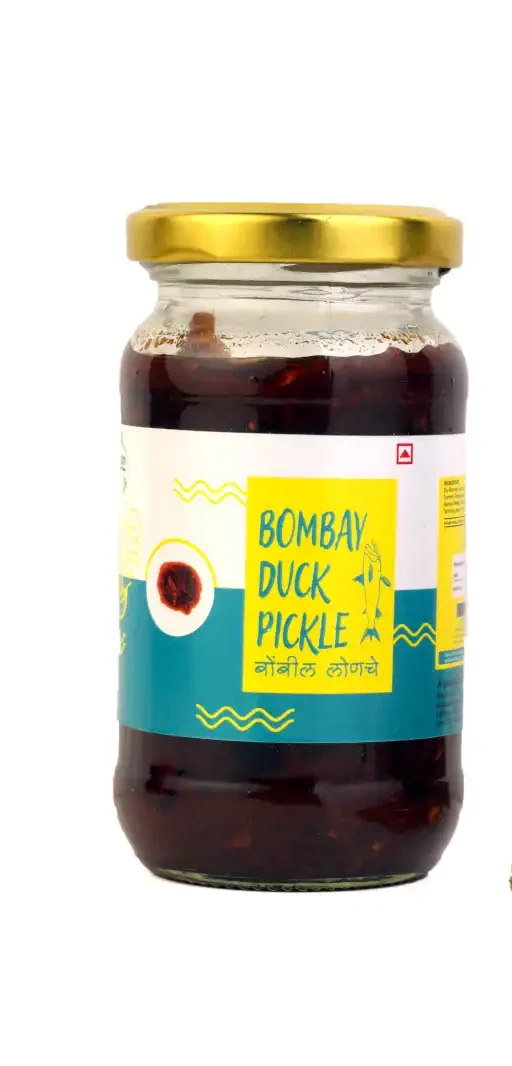
From the strong aroma of Bombil (Bombay Duck) frying in a Malvani kitchen to the rich taste of Kolambi Sukat in a simple home curry, dry fish has always been part of Indian coastal life.
But today, many people are asking:
- Is dry fish good for health?
- What are the health benefits of dry fish?
- Is it really rich in protein and omega-3?
- What is the best way to cook dry fish Indian style without losing nutrients?
In this detailed guide, we will explore the nutrition benefits of dry fish in India, its impact on health, and simple, healthy Indian recipes you can try at home.
What Is Dry Fish?
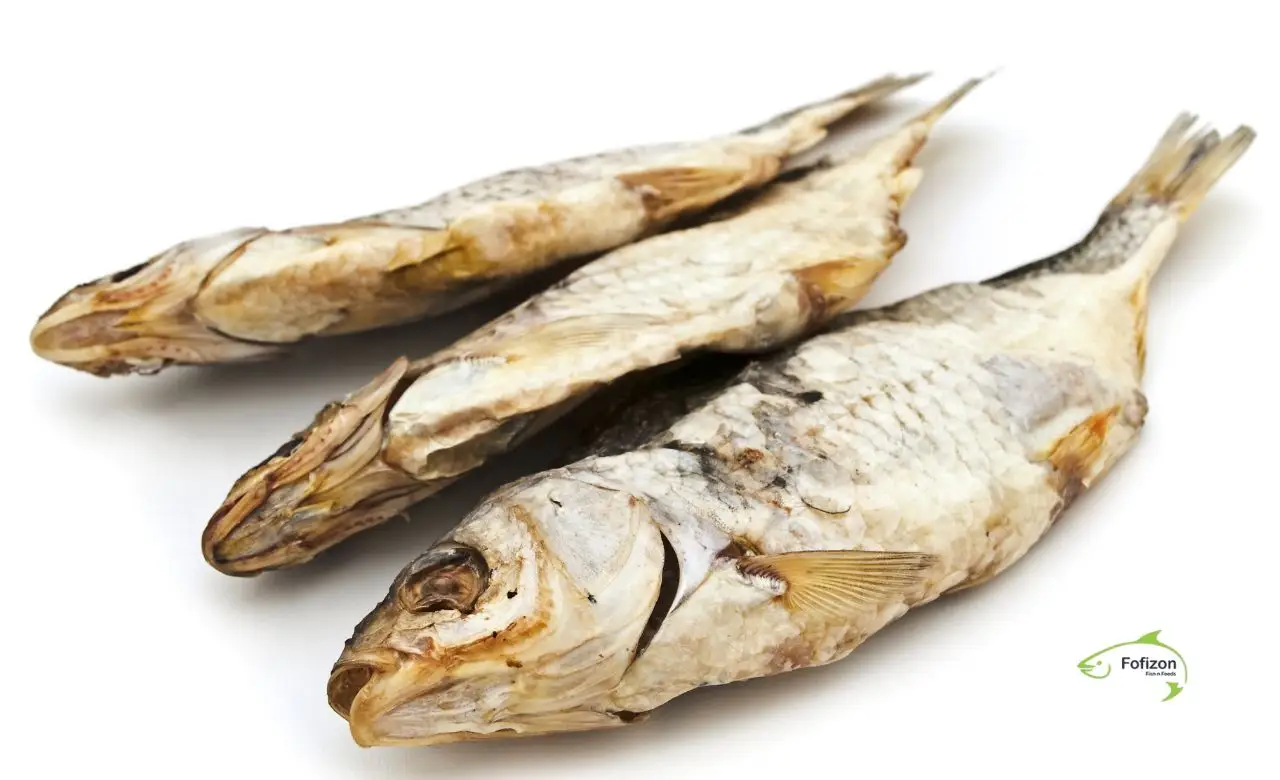
Dry fish is fresh fish that has been preserved by drying usually under the sun. This traditional method removes moisture, which prevents spoilage and increases shelf life.
In Maharashtra and Konkan region, popular varieties include:
- Bombil (Bombay Duck)
- Mandeli
- Jawla
- Kolambi (Dry Prawns / Sukat)
- Sungata
Dry fish is often salted before drying, which enhances taste and preservation.
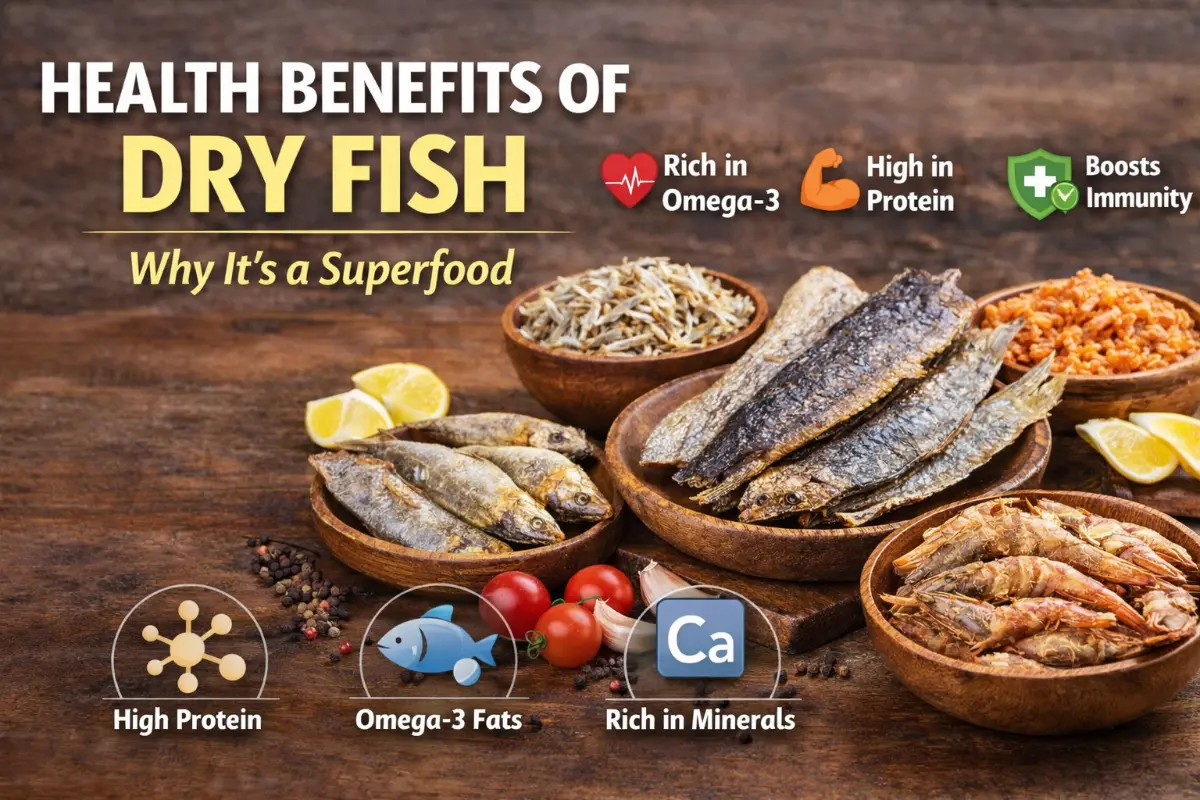
But beyond taste, the real question is what are the dry fish nutrition benefits?
Dry Fish Nutrition Facts
Dry fish is nutrient-dense. Because water is removed during drying, nutrients become more concentrated.
Here are some important dry fish nutrition facts:
1. High in Protein
Dry fish is extremely rich in protein. Protein helps:
- Build muscles
- Repair tissues
- Support growth in children
- Improve immunity
For people looking for muscle growth, dry fish can be a powerful addition to diet. Many fitness-conscious individuals search for dry fish benefits protein omega-3 because it supports strength and recovery.
2. Rich in Omega-3 Fatty Acids
One of the biggest health benefits of dry fish is omega-3 fatty acids.
Omega-3 helps:
- Improve heart health
- Reduce inflammation
- Support brain function
- Lower bad cholesterol
If you are wondering, “Is dry fish good for heart health?” the answer is yes, when consumed in moderation.
3. Excellent Source of Calcium
Small dry fish eaten with bones provide high calcium.
Calcium helps:
- Strengthen bones
- Prevent osteoporosis
- Improve teeth health
In many Maharashtrian homes, elders recommend Konkan specialty for bone strength.
4. Iron & Iodine Content
Dry fish contains iron and iodine, which help:
- Prevent anemia
- Improve thyroid function
- Support metabolism
This is why traditionally, coastal communities consumed dry fish regularly.
5. Low Carbohydrate & Nutrient Dense
For those searching dry fish benefits for weight loss, here’s good news:
Dry fish is:
- High in protein
- Low in carbs
- Very filling
It helps reduce hunger cravings and supports weight management when cooked with less oil.
Health Benefits of Dry Fish
Let’s break down the main dry fish health benefits in simple terms.
1. Good for Heart Health
Because of omega-3 fatty acids, dry fish may:
- Reduce triglycerides
- Lower risk of heart disease
- Improve blood circulation
People searching for dry fish benefits for heart often want natural food options and Konkan specialty can be one.
2. Supports Muscle Growth
Protein is essential for muscle building.
If you:
- Work out
- Do physical labor
- Want better stamina
Traditional dried fish can help improve recovery and strength.
3. Supports Brain Function
Omega-3 fats support memory and focus.
This makes dry fish beneficial for:
- Growing children
- Working professionals
- Elderly people
4. Strengthens Bones
Because small dry fish are eaten with bones, they provide:
- Natural calcium
- Phosphorus
In Maharashtra, dry fish is often given to women for bone health.
5. Good for Skin & Hair
Many people search for dry fish benefits for skin and hair.
Omega-3 and protein support:
- Hair strength
- Skin glow
- Reduced dryness
6. Helps in Weight Management
If prepared in a healthy way, dry fish:
- Keeps you full longer
- Reduces unnecessary snacking
- Supports fat loss
But remember cooking method matters.
Is Dry Fish Good for Health?
Yes but with balance.
Dry fish is healthy when:
✔ Consumed in moderate quantity
✔ Cooked with less oil
✔ Soaked properly to remove excess salt
✔ Purchased from hygienic sources
Too much salted traditional dried fish can increase sodium intake. So moderation is key.
Best Way to Cook Dry Fish (Healthy Version)
Now let’s talk about the most important part:
Best way to cook sun-dried seafood Indian style without losing nutrition
Step 1: Proper Cleaning & Soaking
Before cooking:
- Wash dry fish 2–3 times
- Soak in warm water for 20–30 minutes
- Remove excess salt
- Remove impurities
This reduces sodium and improves taste.
Step 2: Use Less Oil
Traditional recipes use more oil, but for a healthy sun-dried seafood recipe, use:
- 1–2 tablespoons oil
- Preferably mustard oil or groundnut oil
Avoid deep frying daily.
Step 3: Add Natural Spices
Indian spices improve both taste and health.
Use:
- Haldi (turmeric) – anti-inflammatory
- Garlic – improves heart health
- Ginger – supports digestion
- Kokum or tamarind – adds flavor naturally
5 Healthy Dry Fish Recipes (Indian Style)
Here are some simple and nutritious options.
-
Bombil Fry (Low Oil Version)
Instead of deep frying:
- Marinate bombil with turmeric, chilli powder, garlic
- Shallow fry on iron tawa
- Use minimal oil
This keeps flavor but reduces fat.
-
Kolambi Sukat Bhaji (Dry Prawns Stir Fry)
A popular Maharashtra style dry fish recipe.
- Soak dry prawns
- Cook with onion, garlic, green chilli
- Add little grated coconut
- Cook with less oil
High protein, tasty, and filling.
-
Dry Fish Curry (Light Coconut Base)
If you search for dry fish recipes healthy, this is ideal.
- Use thin coconut milk instead of thick
- Add kokum for tangy taste
- Avoid excessive oil
Serve with bhakri or brown rice.
-
Dry Fish Chutney (Healthy Version)
- Roast dry fish
- Blend with garlic, chilli, coconut
- Use very little oil
Great with jowar bhakri.
-
Steamed Dry Fish Masala
A lesser-known but healthy method:
- Mix soaked dry fish with spices
- Wrap in banana leaf
- Steam instead of fry
Very nutritious and light.
Dry Fish in Maharashtra: More Than Just Food
In Konkan and coastal Maharashtra, dry fish is deeply emotional.
For many families:
- It reminds them of their village
- It connects them to their roots
- It brings back childhood memories
Even in Mumbai and Pune, many people search:
- dry fish health benefits Mumbai
- dry fish benefits Pune
- Konkan dry fish nutrition benefits
This shows how strong the connection is.
Who Should Be Careful?
While dry fish has many benefits, some people should be cautious:
- People with high blood pressure (due to salt content)
- Those with kidney problems
- Individuals allergic to seafood
Always consult a doctor if unsure.
How Often Should You Eat Dry Fish?
Moderation is key.
You can consume dry fish:
- 1–2 times per week
- In small portions
- Balanced with vegetables and grains
This ensures you get the nutrition benefits of dry fish in India without excess salt intake.
Dry Fish vs Fresh Fish – Which Is Better?
Many ask this question.
Fresh fish:
- Lower sodium
- Softer texture
Dry fish:
- More concentrated nutrients
- Longer shelf life
- Stronger flavor
Both are good. It depends on your taste and health condition.
Tradition Meets Nutrition
Dry fish is not just a coastal delicacy. It is a powerful, protein-rich, omega-3 packed food that has supported generations in India.
The health benefits of dry fish are real:
- Stronger bones
- Better heart health
- Improved muscle strength
- High protein content
- Essential minerals
But the secret lies in:
- Choosing quality dry fish
- Soaking properly
- Cooking with less oil
- Eating in moderation
When prepared the right way, dry fish becomes a healthy and emotional part of your plate.
If you grew up eating Bombil fry on Sundays or Kolambi Sukat with bhakri, you already know some foods are not just meals, they are memories.
And now you also know they can be healthy too.